
Our Philosophy
Our team is committed to making the highest quality wine using traditional methods and approaches for the purest expression of Brunello di Montalcino d.o.c.g.
More concerned with quality and tradition than volume, we strive to make the best of each harvest given the parameters of the weather, microclimate, altitude, soil and terroir, understanding the issues to maximize outcome.
We are committed to ecologically and environmentally friendly business practices and a positive workplace. We promise to deliver a wine of exceptional character and quality to make the most of your enjoyment, be it at an event, a celebration, or a weekday dinner.
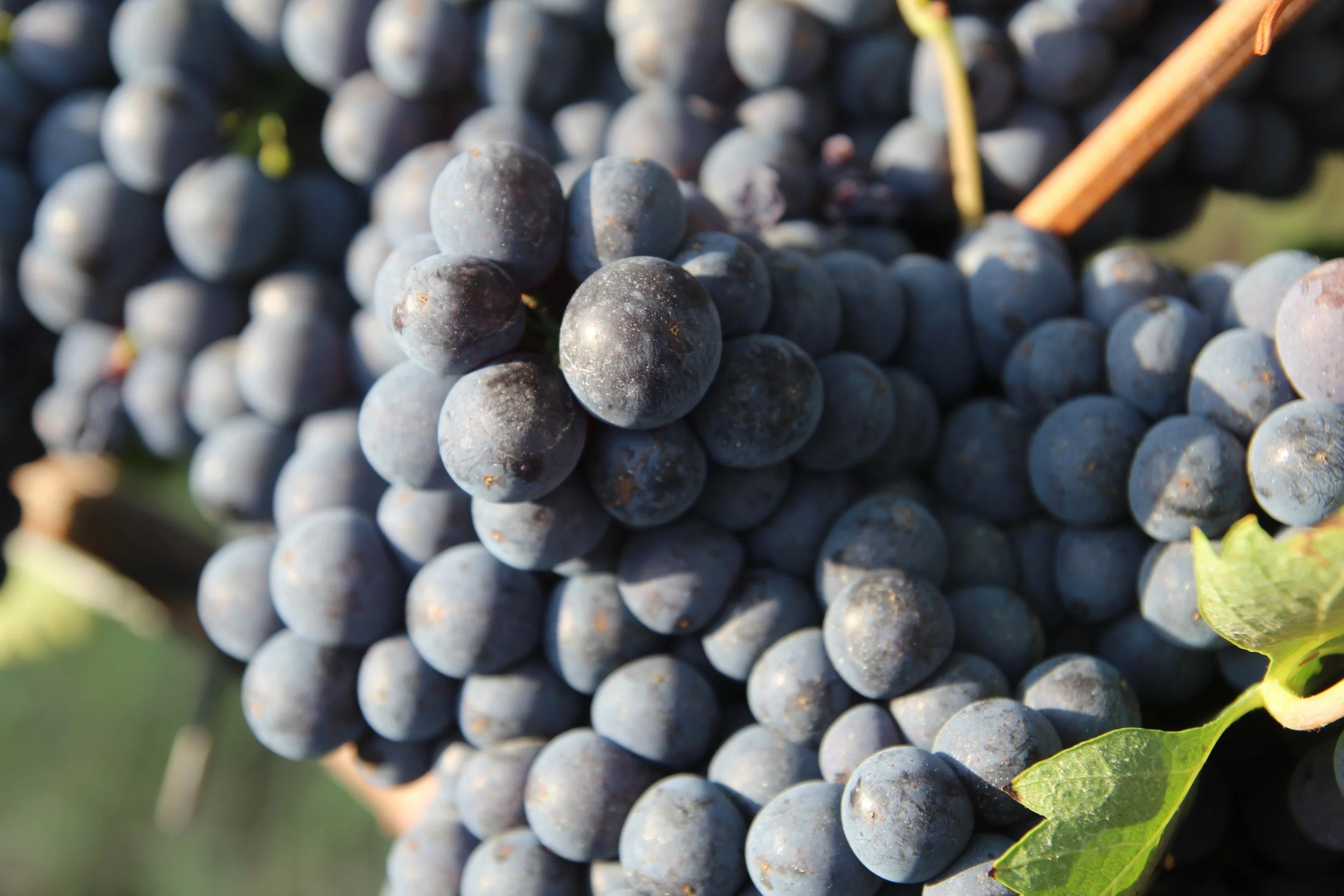
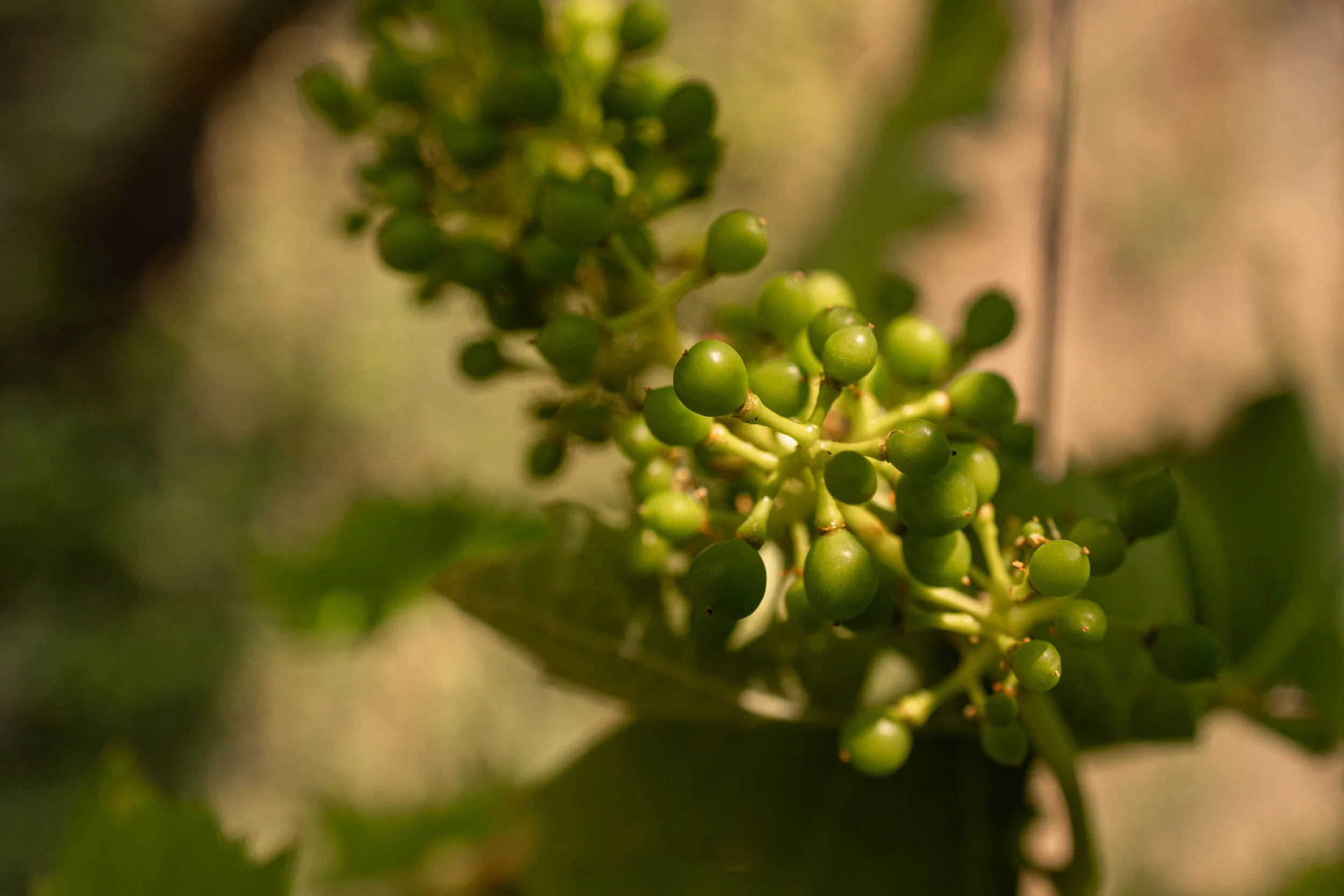
“Il Vino si Fa in Vigna”
Which is to say, we can’t make great wine from lesser grapes.
Responsible Agriculture
Il Palazzone practices agricoltura responsabile. We assess and analyze the factors that influence grape yield and quality throughout the growing season(soil, topography, microclimate, vine health, etc.). Our vineyards vary widely in terms of altitude, terroir and exposition, so a varied approach reflecting the differences of each parcel is necessary to ensure the health of the land and vines, and to preserve the (good/unique) variety of aromatic and flavor components.
We try whenever and wherever possible to follow organic practices, effecting manual operations and natural remedies. While these choices are nearly always more expensive, il vino si fa in vigna – wine is made in the vineyard – and our commitment to responsible stewardship of the land contributes significantly to the high quality of our wines.
Cultivating Biodiversity
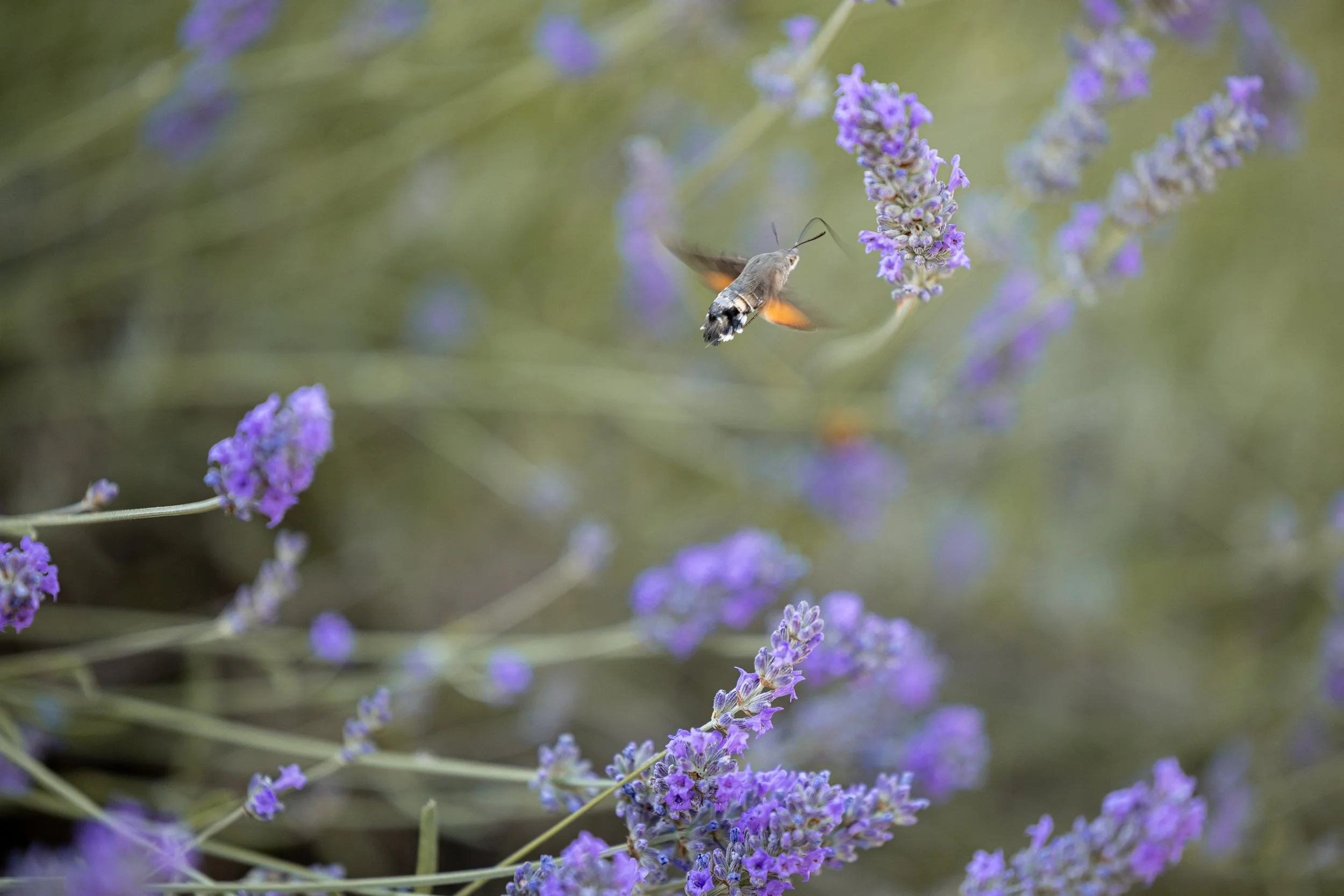
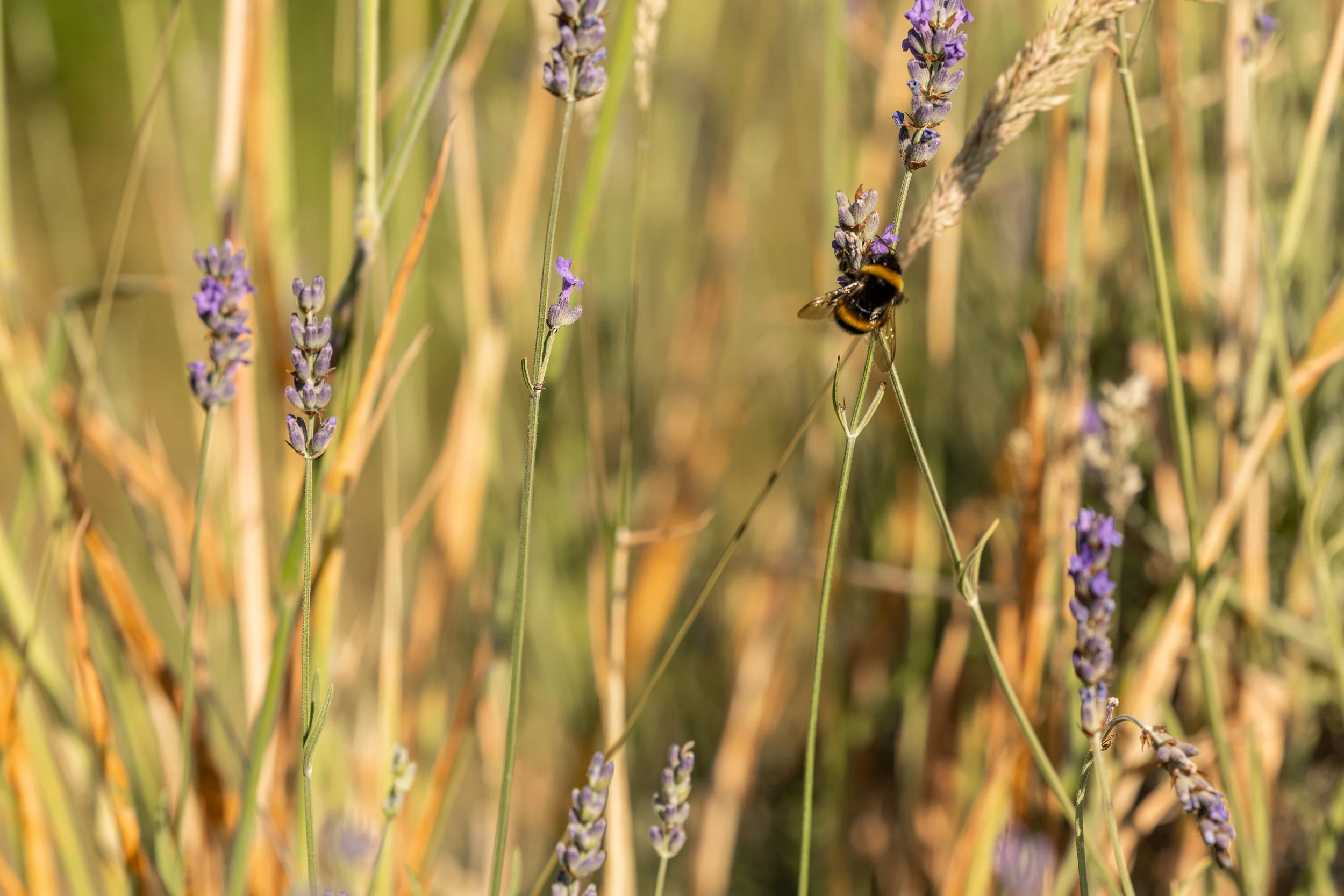
As part of that responsible stewardship, we make every effort to consistently replenish the soil and the ecosystem as well as the vines. You will find flowers, butterflies, ladybugs, earthworms and all manner of other creatures in our vineyard. On occasion we have even started a bug war to restore order. Rather than reflexively resorting to chemical solutions and the long-term impact on the soil and groundwater, we continue to experiment with cover crops – primarily leguminous plants such as lupins and fava beans rich in nitrogen and potassium - which are then plowed into the earth to enrich and fertilize the soil. Cover crops have many positive aspects: reducing erosion, improving water absorption and increasing soil organic matter, all of which enhances soil structure. Ideally, this method also leads to increased soil carbon sequestration.
Winemaking
Creating wine is a delicate mixture of art and science, each vintage a unique combination of weather, soil, grapes and luck. Careful attention to the development of the fruit on the vine is always followed by careful attention to the development of the fruit in the cellar.
Our wines are reflective of their season, their soil and their climate and each tells its own tale of the individual vintage.


Harvest and Wine Making
Vendemmia
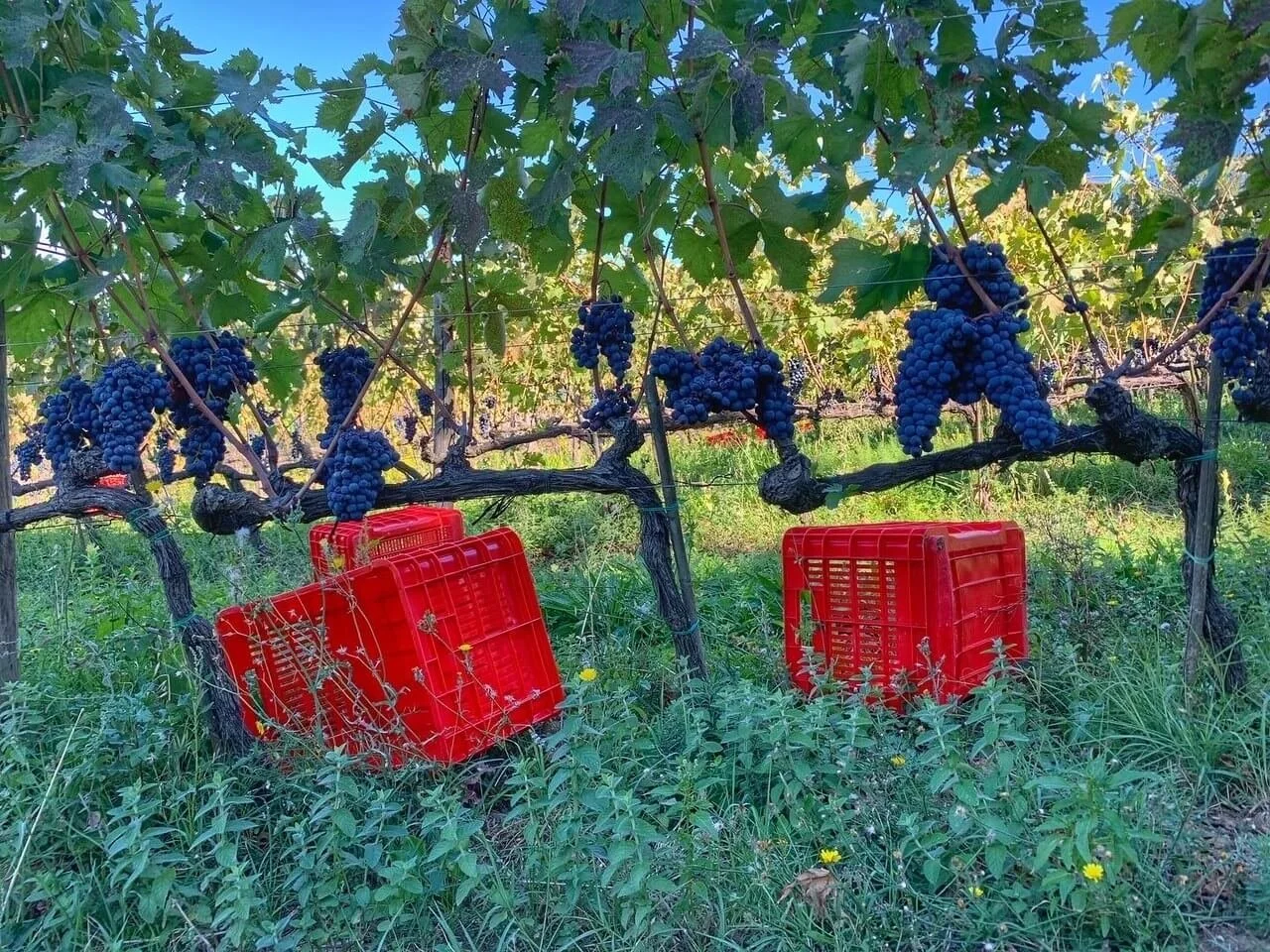
We prune, green harvest and select our grapes on the vine throughout the year so as to have the best possible selection for each vintage. We pick by hand using small 16 kg crates to keep the grapes in peak condition when they reach the sorting tables. The maximum yield allowed for the production of Brunello di Montalcino d.o.c.g. is 8.000 kg per hectare, however due to our rigorous selection process, we rarely reach that yield. Our grapes are sorted first on the stem in cluster form and then individually to maximize quality control prior to fermentation. Some grapes are vinified in cluster form while others are vinified in berry form to best reflect the characteristics of the vintage.
Fermentation
Fermentation takes place in 20 or 41 hL cement tanks or 50 hL wood barrels. Because each vineyard is primarily vinified separately, we can determine the optimal tank or barrel for each lot of grapes given the characteristics and volume of that particular fruit. When choosing the appropriate vessel, cement tanks offer increased structure opportunities that can give the grapes a scaffolding to construct a wine of complexity and elegance during their aging time in wood, while the micro-oxygenation inherent in the wood can contribute increased aromatic and tannin stability. The best method for each lot depends entirely upon the grapes that arrive in the cellar and will be different for each harvest.
Aging
Traditional aging times for Brunello are our benchmark, and our wine usually receives twenty-five to forty months in wood (two years required by the DOCG regulations), to be released in January of the fifth year after harvest. While we do not sort for a Riserva, preferring to ensure that some of the best grapes are in each bottle of Brunello, when something extraordinary happens in the cellar, we will offer that special cask as a Riserva. These wines are aged an extra year prior to release. All Il Palazzone wines are created with a long bottle life in mind, promising to mature and improve over the years.
Environmental Concerns
Carbon Footprint
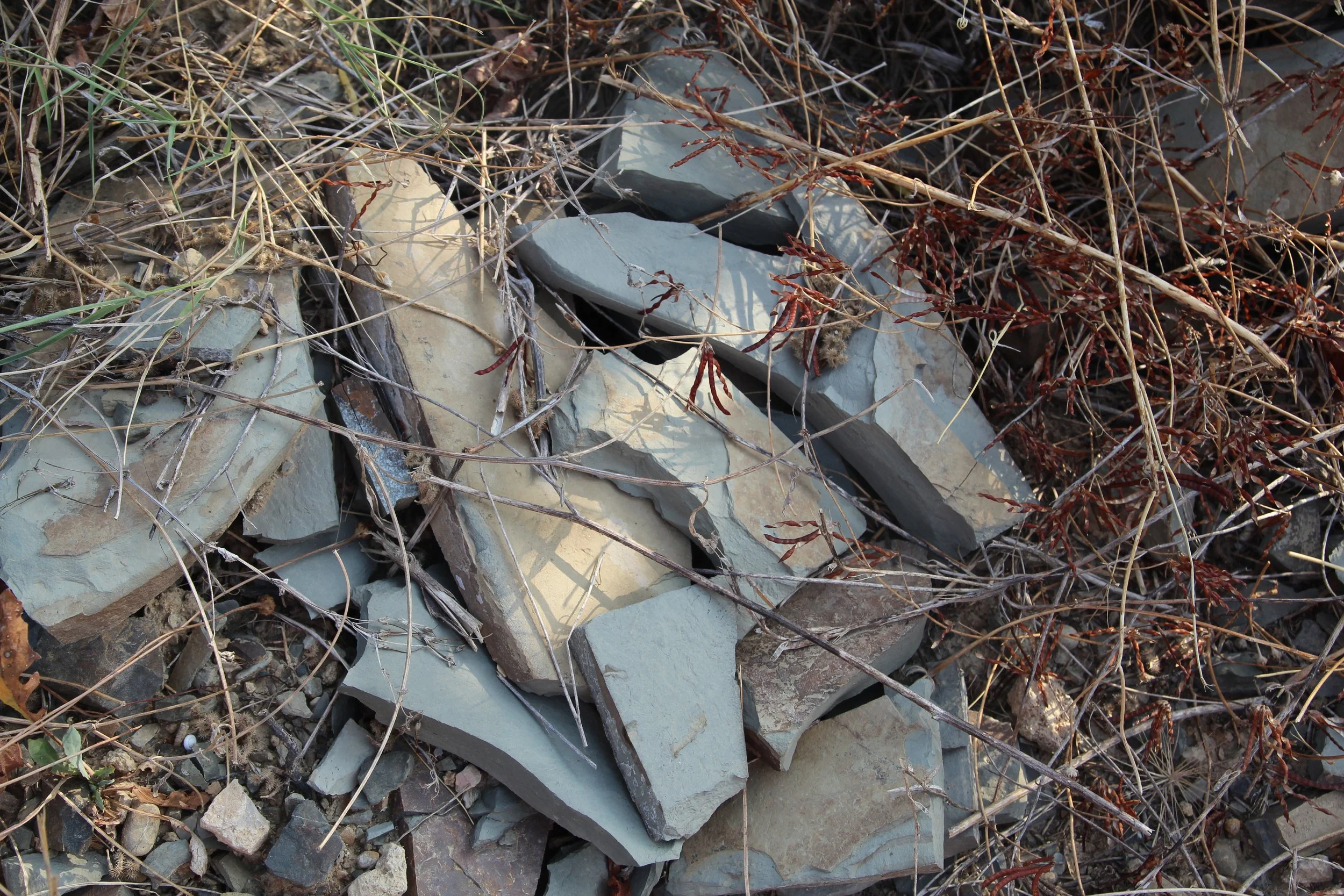
We are committed to monitoring and reducing our carbon footprint. As far as possible, building materials are recycled, upcycled or quarried on-site, and a multitude of techniques are employed to maximize energy efficiency.

Rainwater Recovery
Given that Brunello is obligatory dry farming (no regular irrigation) rain is a critical factor in the health and success of our vineyards. In addition, to the maximum extent possible, we recover rainwater for estate use.
Recycling
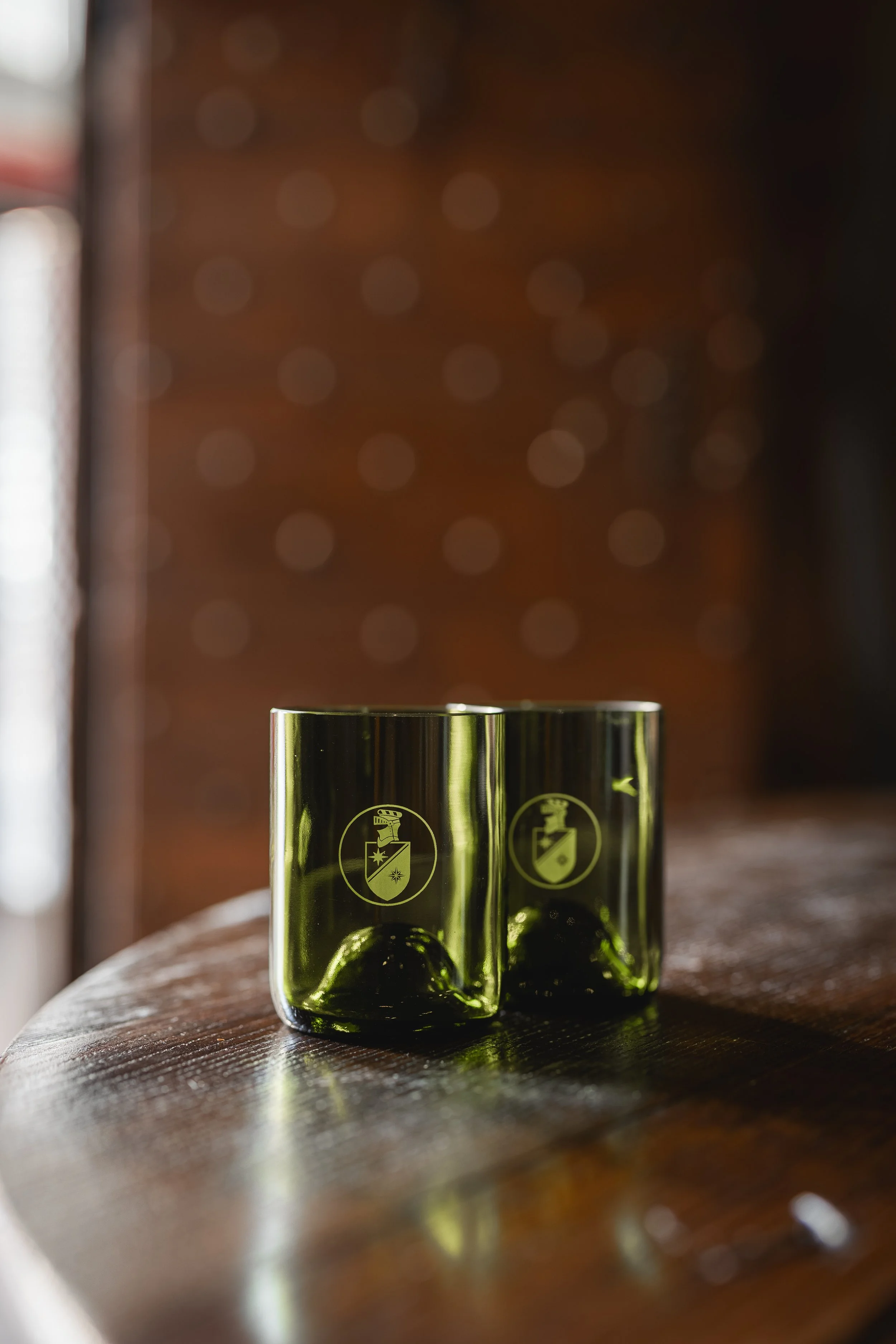
Where possible we reuse and recycle. Aside from daily recycling and allocation, visitors to the cellar often admire the wather glasses made from our old bottles.
Bottles
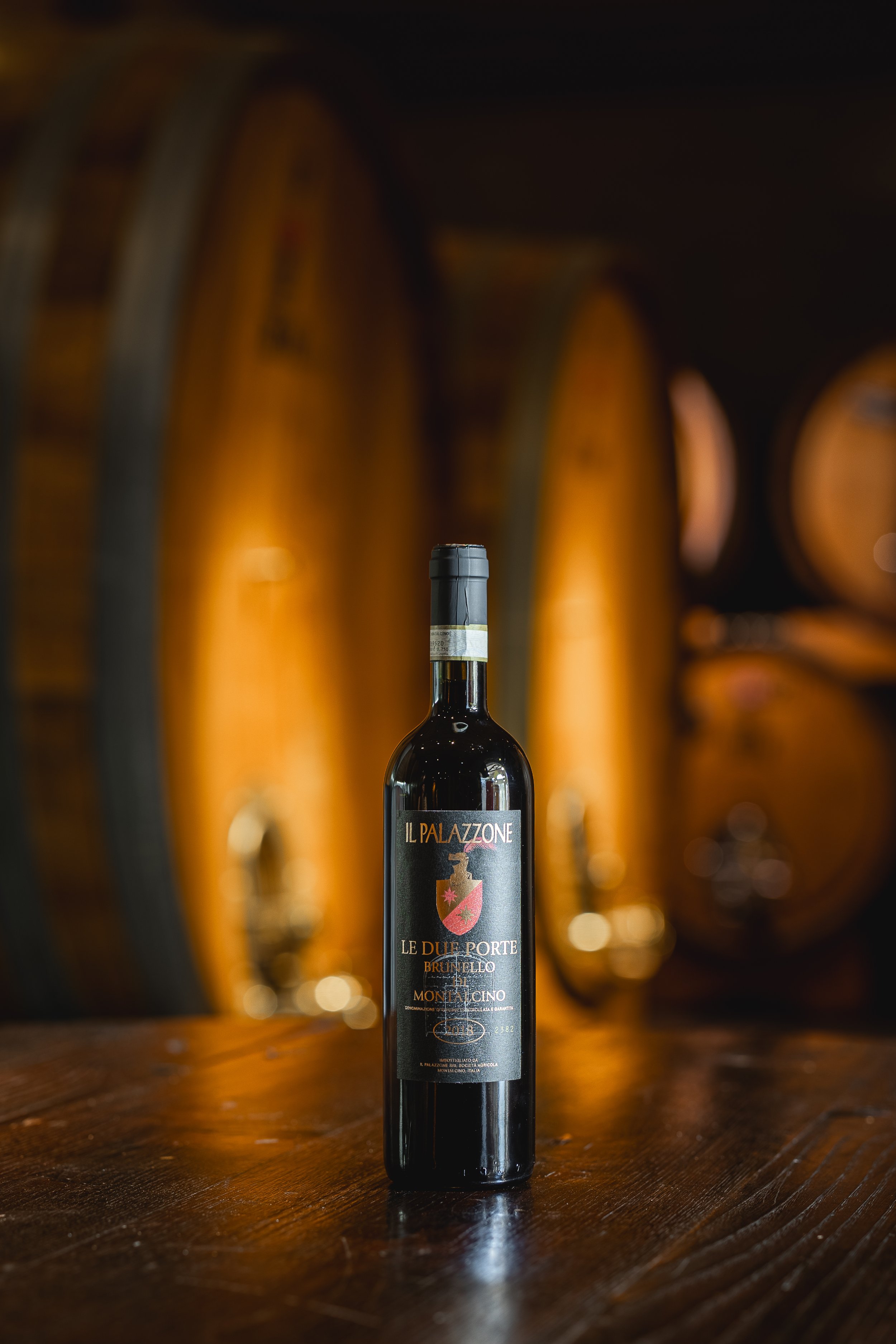
In 2010 we switched to using light glass bottles. This can lessen the shipping load by 2.5 kg (5.5 pounds) per case.
Plastic
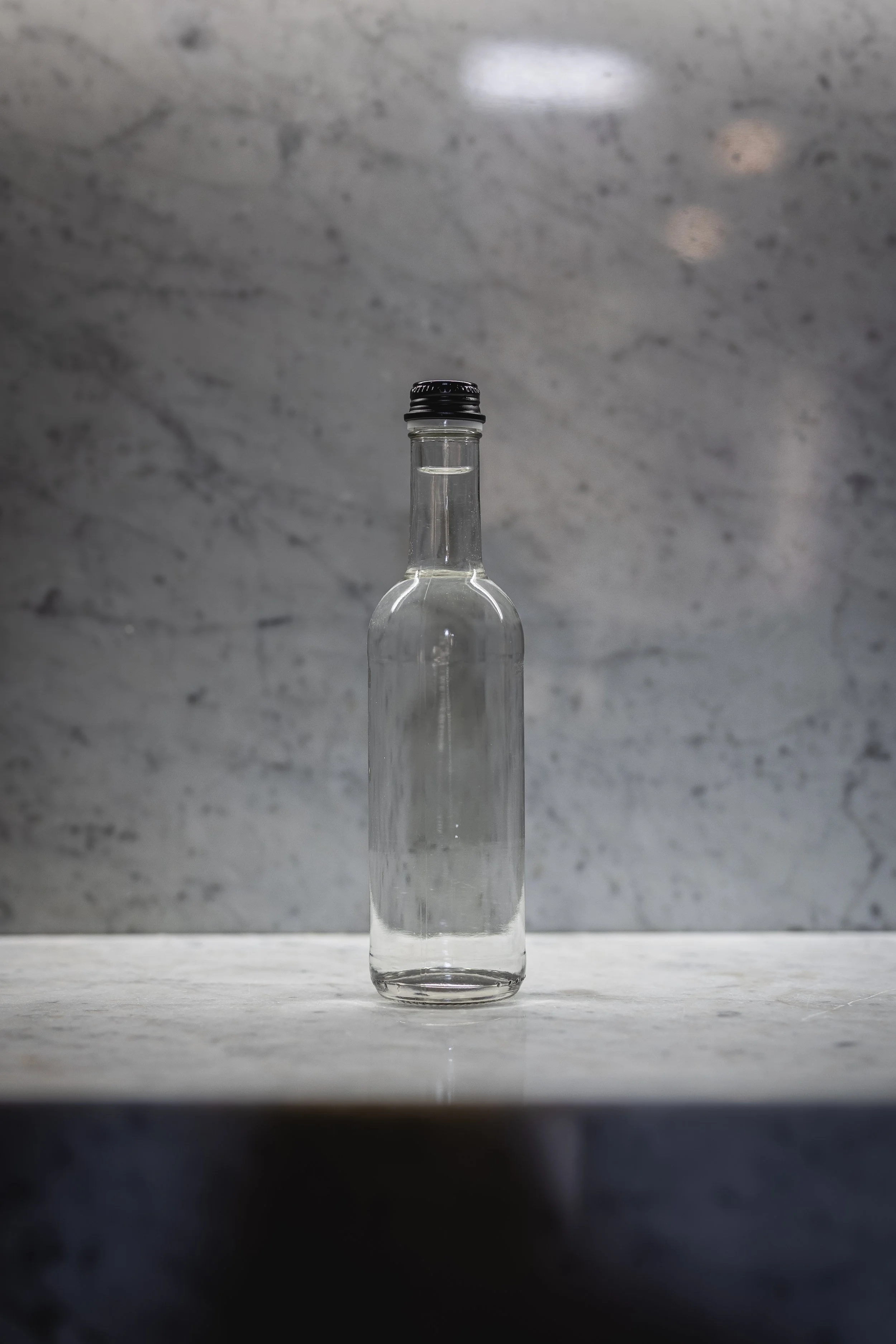
We do not use single use plastic bottles at Il Palazzone. We use glass bottles for water in the tasting room and have elimated the use of other plastic wherever possible.
Packaging
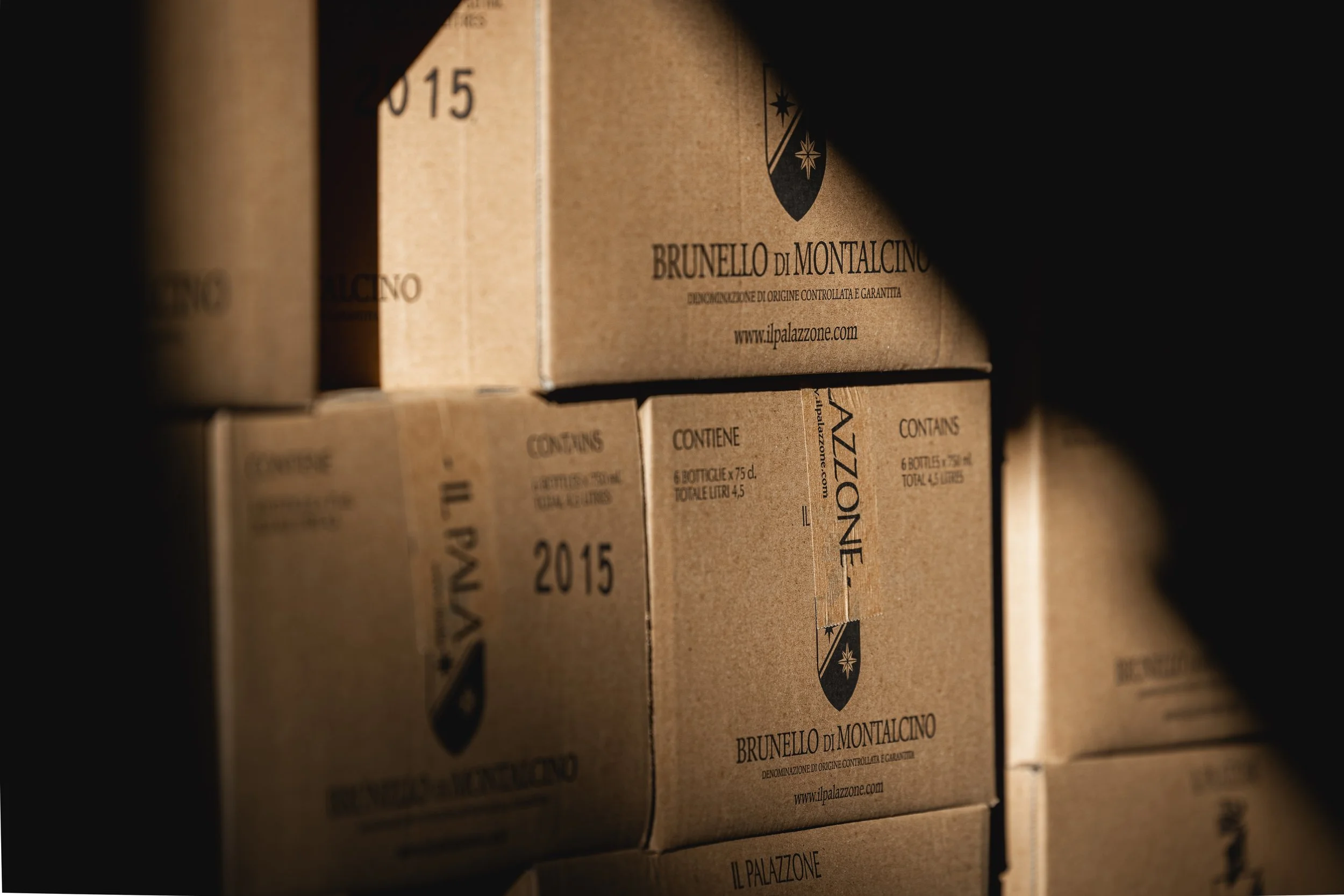
We have ruled out polystyrene wherever is possible and use only cardboard and wooden packaging. Our boxes are made of 80-85% recycled cardboard. We have switched to sustainable capsules and paper tape and, for our Rosso del Palazzone, to cork derived from sustainable and renewable sugarcane-based raw materials.